Canada in Copenhagen

Taking a break now and then from posting pretty frost pictures and writing Christmas letters, I’ve been checking into reality: the news on the Copenhagen Climate Summit. Others have been far more eloquent than I could ever be, so here are the most powerful links I’ve viewed most recently about the shame and about the anger against Harper that many Canadians feel:

1. Just before the conference, George Monbiot wrote: ‘The real villain is Canada’. Or just view this video.

2. Why am I not at all surprised that Canada takes Fossil “award” on first day?

3. This is a great editorial run by 56 newspapers around the world.

4. Today my Finnish-Canadian blog friend has posted this: Canada, history is calling.

5. And the best, I think, by my “neighbour” on Bowen Island: A call to ignore our prime minister in Copenhagen “for he does not speak for most of us”. Reading this one most inspired this post, thanks Chris!
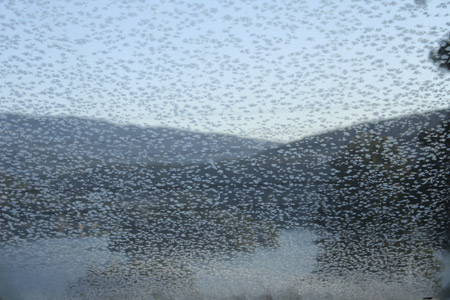
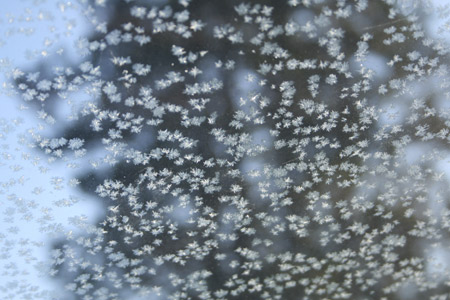
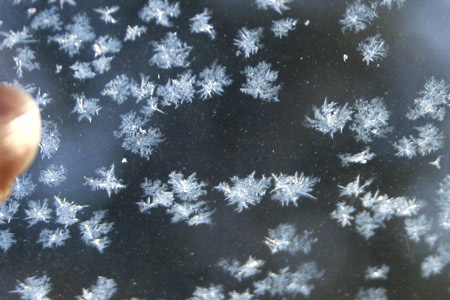
frost stars

FrostStars09.jpg

FrostStars09_2.jpg

FrostStars09_3.jpg

tiny little silver stars in the hundreds,
as if fallen from the night sky
like pixie dust

It amazes me how different frost patterns can be.
It is now even colder and drier, down to -6C (21F) last night.
At 10:45 am, the sun’s low sideways rays had not yet thawed them.

Last week’s frost followed a long rainy period.
We Vancouverites need a reality check about cold.
It was -36C (-32F) in southern Alberta last night.
Husband is on his way there on business, brrrr!

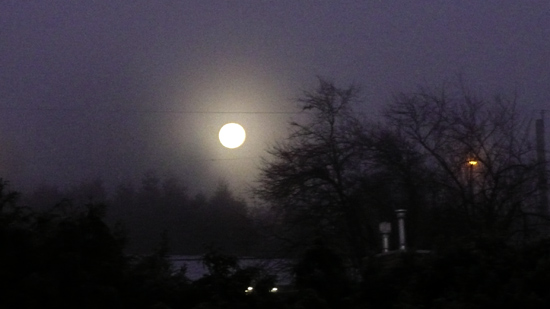
full moon, fog, frost

FullColdMoon2009.jpg

Oak Moon, Cold Moon, Frost Moon, Long Night’s Moon, Moon Before Yule, 7:20 a.m., December 2nd

fogDec2.09.jpg

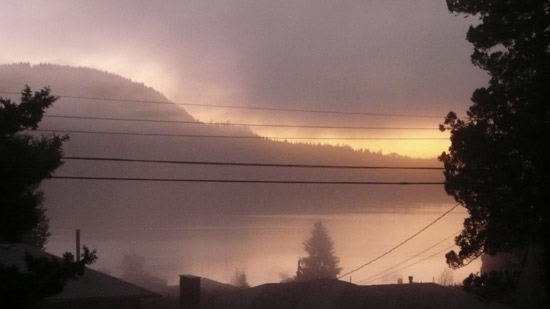
fog and sunrise

frostDec3.09.jpg

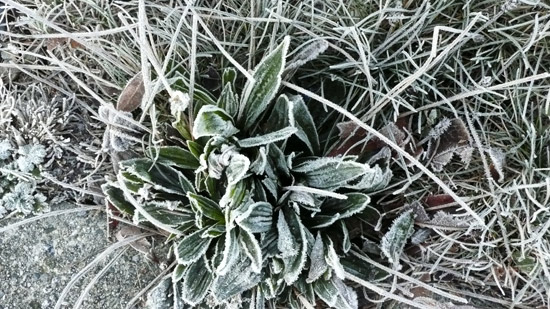
frost on the path

in the country

   
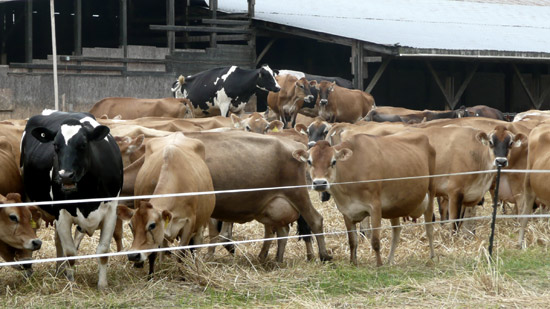
cows2.jpg
   
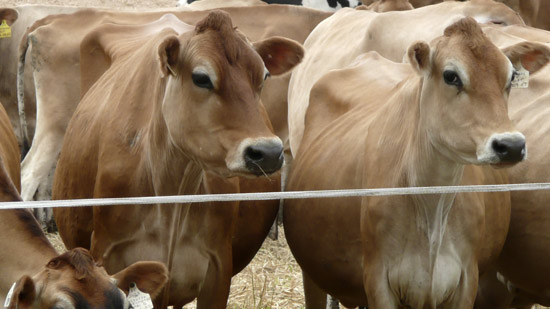
cows3.jpg
   
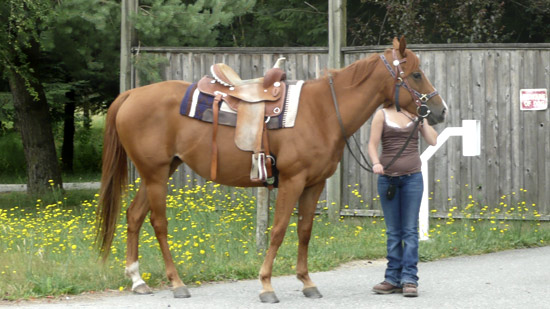
horse.jpg
   
browsing through this year’s photos
these from a drive in the country one summer day
loved the sight of these most beautiful cows
and the nervous horse that was spooked by them
can you tell I’m a city girl?
an interesting change from photos of rocks and Paris, eh?
   

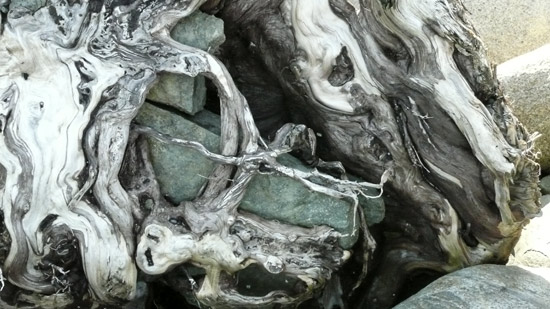
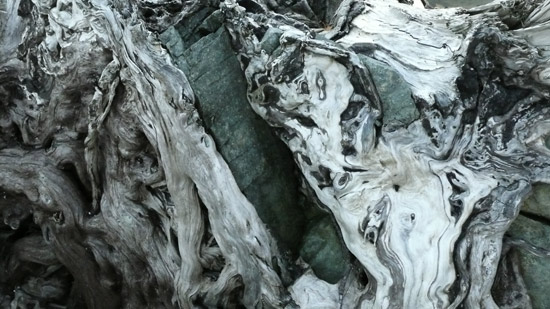
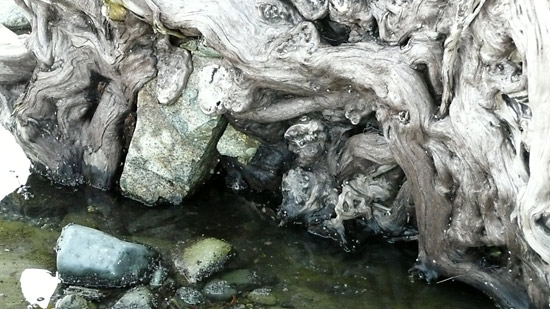
Hornby’s driftwood

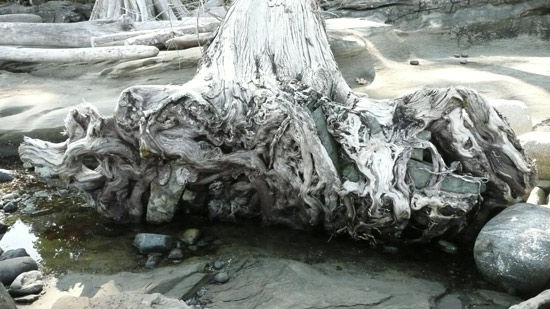
HornbyDriftwood.jpg

HornbyDriftwood2.jpg

HornbyDriftwood3.jpg

HornbyDriftwood4.jpg

salt and sun bleached beached tree,
roots like twisted tentacles
squeezing blue green rocks in captivity

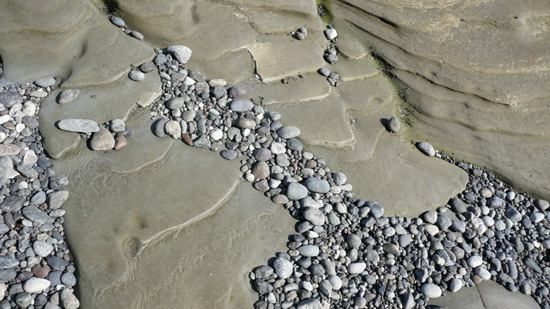
bursting

HornbyScatteredStones.jpg

I slept deeply after the ‘night scribblings’ and woke up late and refreshed. The creative binge of ideas and energy continued all weekend. I wonder what I ate or drank or what phase of moon affected me so strongly – I love it!

Saturday was a calm, dry but chilly day here, a pause in the waves of November storms we endure most years, so I felt motivated to get outside and finish planting the last of my spring-flowering bulbs into a bed full of still lush but fading pelargoniums that I always wait as long as I can to toss out (after taking many cuttings earlier this fall). I then repotted my collection of amaryllis bulbs, ever hopeful that some of them will bloom again this winter. Next came the paperwhite narcissi that I planted in various containers and placed into the cool bright solarium to slowly grow and then bloom hopefully just in time to bring inside for the holiday season. Then raking and more raking of heavy wet leaves…

Sunday was stormy again with heavy winds and rain, so dark as to need lights indoors, a good day to work in the studio and at this desk. I was bursting with ideas as I worked on plans for three projects:

1) the next Arkeo piece inspired further by those nocturnal ‘scribblings‘. I haven’t even editioned the last group of seven pieces that I’ve just finished proofing. It’s been a productive fall…

2) several Christmas card design ideas, finally settling on one to test print later this week

3) after some ambivalence, suddenly bursting with ideas for a proposal I may submit for a conference next spring – a new experience for me that I don’t want to reveal too much of as yet until I know if it happens – except to say that I’m thinking of including some kind of audiovisual presentation but I have to learn how to do this. I really don’t need more work and may need help doing this! Who could help? Will there be enough time? Still more questions than answers…

All these ideas bouncing around my head all day and scribbled on notes all over my desk meant that I had to force myself to wind down in the evening. We decided to watch a recorded segment of an archaeology series that’s been running on PBS TV networks… but that’s a whole other topic for another day that I really want to share!

home fires burning


Thanks to Erika for posting my video onto her Flickr account!

The past few days we’ve been without home heating, that is, a central heating system we take for granted in most homes in the developed world. Ours is a natural gas-fired hot water system, and one of the valves in the many metres of copper piping down in the crawl space has failed. I don’t fully understand its workings but husband has been chasing around for some parts that are now scarce for this almost 25 year old system that has been fairly energy efficient for us. Another example of technology leaving us behind, a recurring pet peeve of mine!

So, we are presently heating our home with a wood-burning fireplace, updated long ago with an insert with a glass door and an electric fan. Located in the living room at one end of the house, the further reaches barely get warm. A portable electric heater is handy for a quick warmup in the bathrooms when needed, and I prepare some oven cooked dishes to warm the kitchen. So we’re doing alright, better than during some storms with power outages, including two years ago.

But our carbon footprint has grown bigger this week! The fireplace insert really should be replaced with one that has a catalytic converter so what comes out of the chimney would be less polluting but normally we rarely use it. The wood is from trees we’ve cut down or pruned on our own property plus scrap lumber leftovers from renovations. It’s all a reminder of how much harder it used to be before modern technology – go out and chop trees into enough firewood to last the winter (we do live in Canada after all) and make sure you keep the fire burning with numerous trips to the woodpile.

Many homes, especially the older ones were not designed all that well to conserve heat. When we moved to Vancouver in the early 70’s, after living in Winnipeg and northeast BC, we were aghast to find homes in Vancouver with little insulation and single-glazed windows! Sure it’s milder here, but we still need heat indoors while not heating the outdoors! Fireplaces were, and many still are, open and drafty and not often centrally situated for heating the whole home. That was our home before we renovated but the fireplace is still not central.

I’m recalling my maternal grandparents’ farmhouse in Finland, built in the beginning of the 20th century I think. The central large multi use room, the tupa, had a huge brick wood burning oven in the very middle of the house so the heat it produced warmed all the rooms that would back its chimney. Grandmother would bake breads and casseroles and stews in it all day while the house was kept warm with the bricks retaining heat overnight.

‘Modern’ city homes, like my aunt’s, had ceramic tiled corner fireplaces or kaakeliuunit, based on the same principles. We saw these same kind, but of course more ornate, in the massive palaces in St. Petersburg.

Back to the present… and the future…

What will our future be like without relatively clean and easy to transport fuel like natural gas for home heating? That future is closer than we think while the immense tar sands operation in northern Alberta uses up our precious and finite natural gas plus water resources in the extraction process. Canada is blessed with natural gas but it is finite and needed in Canada, a cold northern nation. We are wasting this most precious resource on the most environmentally polluting industry on this earth! It makes me embarrassed to be Canadian, do you hear, Mr. Harper?

As I’m writing this, I’m also aware that it is Remembrance Day today. I acknowledge the losses of lives in the wars, with our grandfathers, fathers and uncles fighting too. Stephen Hume’s column today on also remembering the continuing suffering of those that did NOT die is well worth reading and remembering. As I’ve written here each year (search), I strongly prefer that this day be turned instead to a focus on ending wars and promoting peace. Our Canadian soldiers used to be peace keepers, not fighting other people’s wars and sending home the dead every week!

Now, you may wonder, how on earth did I get from the subject of home heating to the subject of war and peace? When I came up with the title for this post, the phrase sounded familiar so I looked up the source of this expression and found these answers:

keep the home fires burning:

Fig. to keep things going at one’s home or other central location. (From a World War I song.) [and] to keep your home pleasant and in good order while people who usually live with you are away, especially at war

And this: a You Tube video of old Canadian war posters set to the song Keep the Home Fires Burning.

A lovely song but many of the posters made my skin crawl! Will we ever learn the lessons of history and wars and the environmental damage we have been and are still doing? The connections are just too startling and scary. Peace — might it be good for the environment?!

P.S. Another reason for Canadians to be grateful on November 11th. I’d forgotten this event in our history.

revisiting Hornby’s petroglyphs

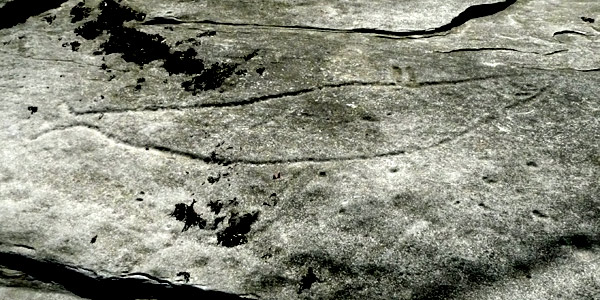
HornbyPetroglyph1A_2009.jpg

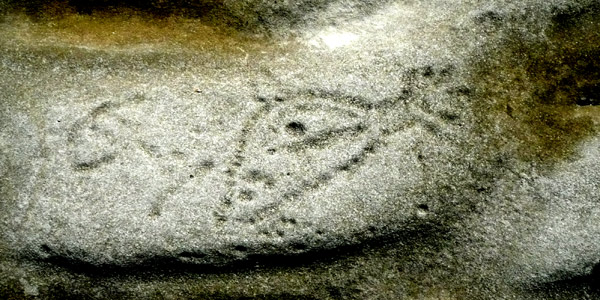
HornbyPetroglyph2B_2009.jpg

This year’s mini-vacation to Hornby Island was a sort of pilgrimage for me as we revisited some favourite spots from past visits. It must be over 15 years ago when we first saw the petroglyphs made by early First Nations peoples. Interestingly, those first photos were captured on film. They later appeared in several of my prints and in a book.

Sadly, the petroglyphs have worn down considerably since then for they are next to the sea and we could find only these two this time. The bright morning light meant the carvings appeared very faint in my digital photos so I’ve had to manipulate these images to bring out the contrast, hence the excessive graininess where the rocks were actually quite smooth. I’m so happy to have seen them again.

Related links:
my petroglyph photos in a book
a petroglyph photographed long ago

ADDENDUM November 10th: To answer Joe’s excellent question in the comments below, I’ve gone to the book mentioned in the link above: In Search of Ancient British Columbia, and the chapter on the Gulf Islands. On page 225, titled Petroglyphs, where my photographs are also featured, authors Philip Torrens and Heidi Henderson write:

Because petroglyphs are carved from rock rather than from bone or other organic matter, archaeologists cannot determine their ages using carbon-14 or other radioactive dating techniques. Attempts to determine ages by erosion are challenged by the fact that we have no way of knowing how deeply carved the grooves were in the first place. Given the heavy rain on most of the B.C. coast, it seems improbable that any surviving petroglyphs date back to the beginning of human presence here – at least 12,000 years ago. Estimates of their ages range from a few thousand years to less than a century, depending on the petroglyph and its location.

new David Suzuki Foundation website

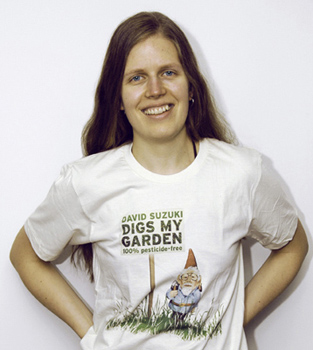
I’m claiming bragging rights and motherly pride in sharing news about what our daughter Erika has been working on for many months. Now launched, it’s the new website for the David Suzuki Foundation! It’s still a work in progress, she says, with more work ahead refining and adding features and responding to public input. Read all about it on Erika’s blog and please visit the DSF site in-depth for inspiring articles on how even small acts can make a difference on “environmental issues, sustainability and health.”

Most Canadians know geneticist Dr. David Suzuki who has been our environmental hero far longer than Al Gore! I may have mentioned him the first time on this blog on an earth day post. He’s probably best known through his thirty decades long broadcasting career with programs like The Nature of Things, (such as the one on crows recently) and science films such as The Geologic Journey series I wrote about last year.

As a family, we’ve taken different steps such as composting for over 35 years, but our Erika still nudges us in the right direction now and then. Not long ago, she suggested I not buy regular cocoa because it’s harvested using child labour. Despite the extra cost, I now feed my addiction with a fair trade organic choice along with the fair trade coffee I’ve already been buying. We’re not perfect but it all helps!

I hope you enjoy browsing through the new website for the David Suzuki Foundation. I’m proud of Erika’s graphic design work and her deep commitment to the cause and so very pleased for her that she loves her job!

erika-digs-tshirt_small.jpg
photo credit: Nelson Agustin

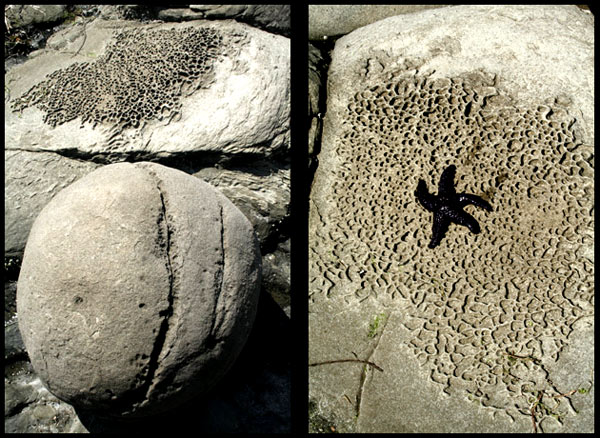
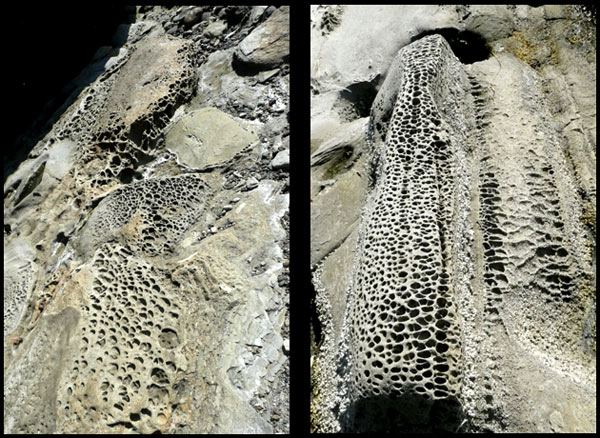
more rock lace

HornbyRockLace09.jpg

HornbyRockLace2_09.jpg

…on the very photogenic Hornby Island, naturally!